
Administration

Shiva Kumar Kyasa
Chemistry-Professor
Natural Sciences - Physical Science
Professor of Chemistry
Undergraduate Teaching: Organic Chemistry, Biochemistry, General Chemistry
Research Interests: Chemical Education
Publications:
4) Arnold, N.A, Kyasa, S.K.*. Electronic Half-Cell Module to Demonstrate Electrochemical Series and Citrus Fruit Battery for Remote Students. J. Chem. Educ. 2023, 100, 3739-3743
3). Kyasa, S.K.* and Dussault, P.H.; 3-Phenylpropyl (tetrahydropyran-2-yl) peroxide. EROS (Encyclopedia of Reagents in Organic Synthesis) 2020, J. Bode, ed. Wiley.
2) Kyasa, S.K.* Investigating Terpenoid Constituents in Commercial Essential Oils to Learn and Practice GC-MS and Literature Research Skills. J. Chem. Educ. 2020, 97, 1966 – 1969.
1) S.K. Kyasa, * Fluoroform (CHF3). Synlett, 2015, 26, 1911-1912.
Undergraduate Teaching: Organic Chemistry, Biochemistry, General Chemistry
Research Interests: Chemical Education
Publications:
4) Arnold, N.A, Kyasa, S.K.*. Electronic Half-Cell Module to Demonstrate Electrochemical Series and Citrus Fruit Battery for Remote Students. J. Chem. Educ. 2023, 100, 3739-3743
3). Kyasa, S.K.* and Dussault, P.H.; 3-Phenylpropyl (tetrahydropyran-2-yl) peroxide. EROS (Encyclopedia of Reagents in Organic Synthesis) 2020, J. Bode, ed. Wiley.
2) Kyasa, S.K.* Investigating Terpenoid Constituents in Commercial Essential Oils to Learn and Practice GC-MS and Literature Research Skills. J. Chem. Educ. 2020, 97, 1966 – 1969.
1) S.K. Kyasa, * Fluoroform (CHF3). Synlett, 2015, 26, 1911-1912.
Faculty
Zenaido Camacho
Biology-Professor
Natural Sciences - Biology
BIOL 360/362 Cell Biology and Lab
Paula Gentry
Physiology Pathology-Professor
Natural Sciences - Biology
BIOL 254/256 Anatomy & Physiology I
Lynn Haugen
Ecology Evolution-Professor
Natural Sciences - Biology
Vertebrate Biology
Manda Jost
Ecology Evolution-Professor
Natural Sciences - Biology
Biology 462/464: Comparative Chordate Anatomy, with Lab
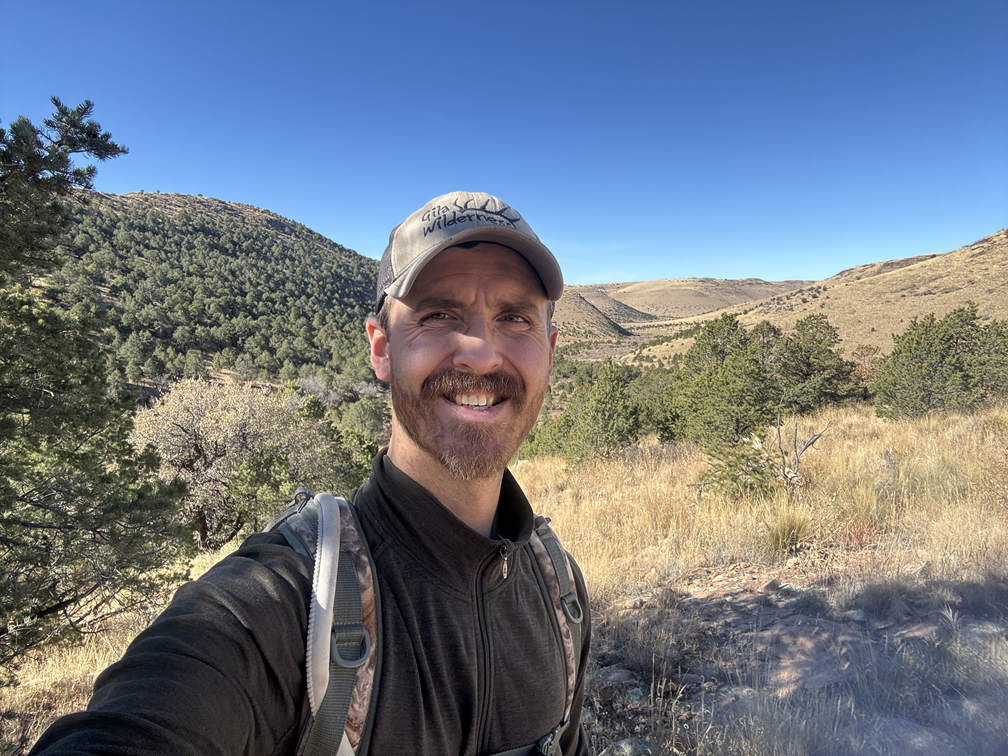
Caleb Loughran
Ecology Evolution-Assistant Professor
Natural Sciences - Biology
Caleb Loughran is an Assistant Professor of Biology in the Department of Natural Sciences at Western New Mexico University. His teaching includes Principles of Wildlife, Herpetology, Comparative Physiology, and General Biology, with an emphasis on connecting foundational concepts to real-world ecological challenges.
His research and teaching focus on the ecology and physiology of wildlife, particularly reptiles and amphibians, and how environmental conditions shape species performance and survival. He is especially interested in how organisms respond to changing climates and the implications for conservation and species risk.
Dr. Loughran integrates laboratory and field experiences into his courses to provide students with hands-on training in biological research, ecological observation, and data analysis. He works closely with students to help them explore wildlife career pathways and professional opportunities and is a member of The Wildlife Society. His goal is to help students understand how physiological and ecological processes influence species’ responses to environmental change and to prepare them for careers in wildlife biology, conservation, and environmental science.
His research and teaching focus on the ecology and physiology of wildlife, particularly reptiles and amphibians, and how environmental conditions shape species performance and survival. He is especially interested in how organisms respond to changing climates and the implications for conservation and species risk.
Dr. Loughran integrates laboratory and field experiences into his courses to provide students with hands-on training in biological research, ecological observation, and data analysis. He works closely with students to help them explore wildlife career pathways and professional opportunities and is a member of The Wildlife Society. His goal is to help students understand how physiological and ecological processes influence species’ responses to environmental change and to prepare them for careers in wildlife biology, conservation, and environmental science.
William Norris
Ecology Evolution-Professor
Natural Sciences - Biology
BIOL 331/333 Biology of Algae
James Sanders
Chemistry-Assistant Professor
Natural Sciences - Physical Science
Ph.D. Analytical Chemistry, 2015-2022, The University of Texas at Austin
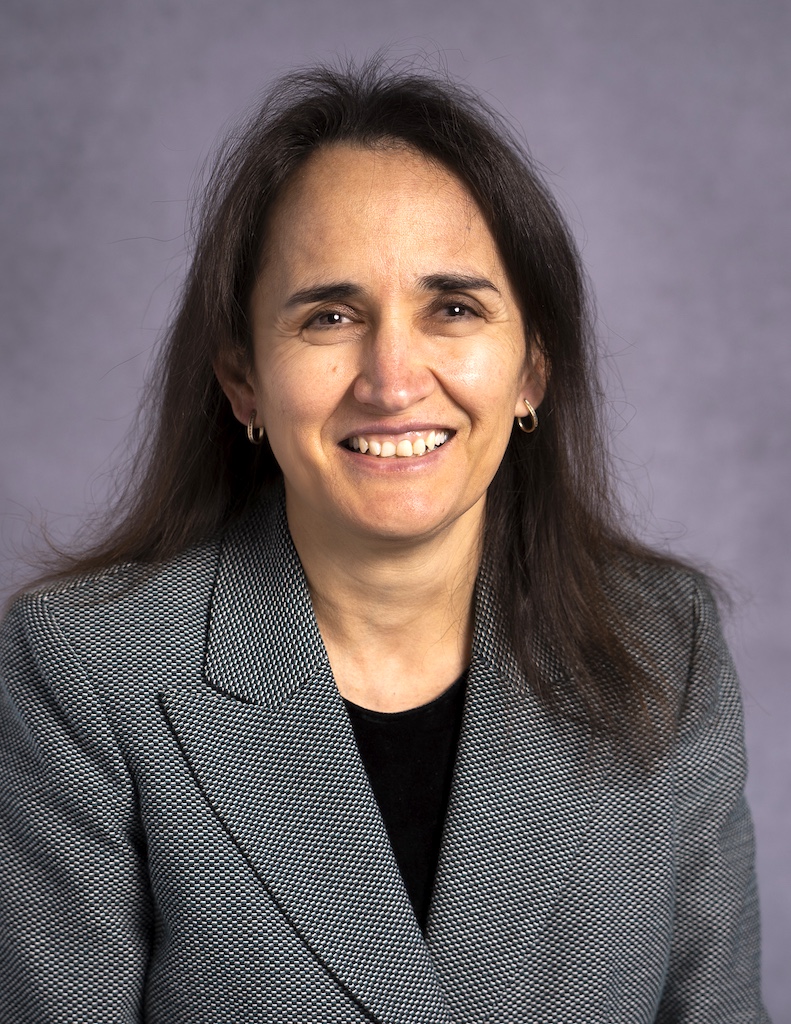
Zully Villanueva Gonzalez
Physiology Pathology-Associate Professor
Natural Sciences - Biology
Educational Background:
- M.A. in Educational Leadership, WNMU (2024)
- PhD in Molecular, Cell and Developmental Biology, NMSU (2012)
- M.S. in Microbiology and Virology, NMSU (2005)
- M.D. General Practitioner, UACJ (2000)
Scholarly Interests:
Course-Based Undergraduate Research Experience (CURE), Pedagogy, Science Education, Instructional Design and Learning Technologies, Ethnobiology.
About Dr. Villanueva:
With nearly three decades of teaching experience, my most recent instructional design strategy includes the implementation of Course-Based Undergraduate Research Experience (CURE). The aim of this is to stimulate student interest and persistence in Science, Technology, Engineering and Math (STEM) pathways providing an authentic learning experience that is found in renowned research labs globally. I am particularly interested in creating a learning environment that fosters engagement and supports students to develop critical thinking, data collection, analysis and collaboration skills with focus in application of knowledge to real life. By integrating CURE with evidence-based teaching practices and modern technologies (i.e. leading-edge light microscopy with digital imaging), I aim to prepare students with skills and knowledge for competitive STEM careers and lifelong scientific learning. Feel free to reach out to discuss academic and research interests.
- M.A. in Educational Leadership, WNMU (2024)
- PhD in Molecular, Cell and Developmental Biology, NMSU (2012)
- M.S. in Microbiology and Virology, NMSU (2005)
- M.D. General Practitioner, UACJ (2000)
Scholarly Interests:
Course-Based Undergraduate Research Experience (CURE), Pedagogy, Science Education, Instructional Design and Learning Technologies, Ethnobiology.
About Dr. Villanueva:
With nearly three decades of teaching experience, my most recent instructional design strategy includes the implementation of Course-Based Undergraduate Research Experience (CURE). The aim of this is to stimulate student interest and persistence in Science, Technology, Engineering and Math (STEM) pathways providing an authentic learning experience that is found in renowned research labs globally. I am particularly interested in creating a learning environment that fosters engagement and supports students to develop critical thinking, data collection, analysis and collaboration skills with focus in application of knowledge to real life. By integrating CURE with evidence-based teaching practices and modern technologies (i.e. leading-edge light microscopy with digital imaging), I aim to prepare students with skills and knowledge for competitive STEM careers and lifelong scientific learning. Feel free to reach out to discuss academic and research interests.
Contact Info
Denise Weide
Geology-Assistant Professor
Natural Sciences - Biology
I am a paleontologist focusing on aquatic ecosystems in deep time. I use fossil algae and lake sediment chemistry to reconstruct past environments and climates in order to better understand how aquatic ecosystems respond to rapid climate/environmental change. Lake sediments preserve single-celled algae (specifically, diatoms), allowing scientists to look back in time. As the diatoms die, they fall to the bottom of the lake where they build up over hundreds or thousands of years, creating a record of past ecosystems. By studying the layers of mud, scientists can look back in time and reconstruct the physical, chemical, and biological characteristics of the lake. This information can give us valuable information about past environments and climate. For example, reconstructing lake level can reveal patterns of drought including intensity and frequency over thousands of years. The question then becomes, what caused those droughts and how did humans adapt to those periods with lowered precipitation.
Kathleen Whiteman
Ecology Evolution-Professor
Natural Sciences-Outdoor Program
OLST/FORS 380 Outdoor Recreation Management in New Mexico